
Technical Support

From Warehouse to Site – Standardized Storage and Transportation Essentials for Ceramic Fiber Filter Tubes
Ceramic fiber filter tubes, as porous ceramic products, possess considerable mechanical strength; however, they still require strict compliance with operational protocols during storage and transportation to avoid physical damage or performance degradation caused by external factors. Regarding storage conditions, the tubes should be kept in a clean, dry, and well-ventilated indoor warehouse with a hardened floor covered by moisture-proof padding. The warehouse should provide shading and thermal insulation to prevent prolonged direct sunlight exposure and drastic temperature fluctuations. Relative humidity should be maintained below 65%, and temperatures within the range of 5 to 35°C. The tubes must not be stored together with corrosive substances such as acids, alkalis, or organic solvents, nor should they be placed near heat sources or open flames. When stacking, the tubes must be placed horizontally on flat wooden pallets, with resilient cushioning materials between each layer. Stacking height should generally not exceed four layers, with a total height of no more than 1.2 meters, to prevent deformation or micro-crack formation in the lower tubes due to pressure. The transportation phase is equally critical. Before loading, the tubes should be secured in dedicated packaging cartons, with flexible cushioning materials filled inside to ensure each tube is individually separated and cannot shift relative to one another. The exterior of the packaging cartons should be clearly labeled with warning signs such as "Fragile," "Keep Dry," and "Handle with Care." Forklifts or lifting slings must be used during loading and unloading, with manual throwing or dragging strictly prohibited. For long-distance transport, vehicle compartments should be equipped with rainproof and sunshade measures, and mixing with hard cargo should be avoided. If the tubes are to be stored for an extended period (exceeding six months), it is recommended to wrap them in sealed plastic film with desiccants inside, and at least quarterly spot checks should be conducted to inspect for signs of moisture, mildew, or cracking. Scientific storage and transportation management constitutes the first line of defense in ensuring that the filter tubes perform normally after installation.
A New Choice for High-Temperature Dust Removal – Ceramic Fiber Filter Tubes Enable Ultra-Low Industrial Emissions
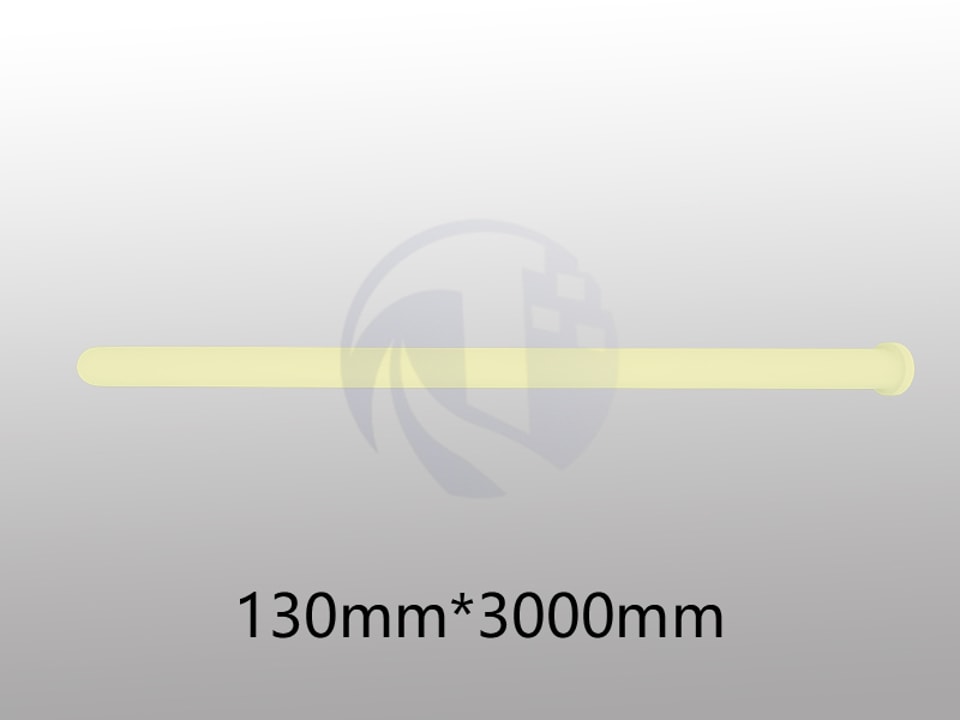
In the field of industrial flue gas treatment, ceramic fiber filter tubes are emerging as an ideal alternative to traditional metal filter bags and fabric filters, owing to their exceptional high-temperature resistance and high-efficiency filtration performance. Manufactured from high-purity ceramic fibers through specialized forming processes, these rigid porous tubular elements offer outstanding heat resistance, corrosion resistance, oxidation resistance, and extended service life. The rigid structural design ensures that the filter tubes maintain stable geometric integrity and filtration efficiency even in high-temperature, high-humidity, and highly corrosive flue gas environments, effectively avoiding the shrinkage, deformation, or burn-through problems that conventional flexible filter media often encounter due to temperature fluctuations. Ceramic fiber filter tubes are capable of withstanding prolonged exposure to high-temperature flue gas streams, making them suitable for dust removal processes across multiple industries including iron and steel smelting, non-ferrous metallurgy, building materials, chemical processing, and power generation. The product eliminates the need for frequent replacements, substantially reducing equipment maintenance costs and downtime, while its high-efficiency dust removal capability helps industrial facilities consistently meet increasingly stringent emission limits. With their comprehensive superior performance, ceramic fiber filter tubes are progressively becoming the mainstream filtration element in the field of high-temperature flue gas purification.
Scientific Storage and Standardized Handling – Critical Steps for Ensuring the Quality of Ceramic Fiber Catalytic Filter Tubes
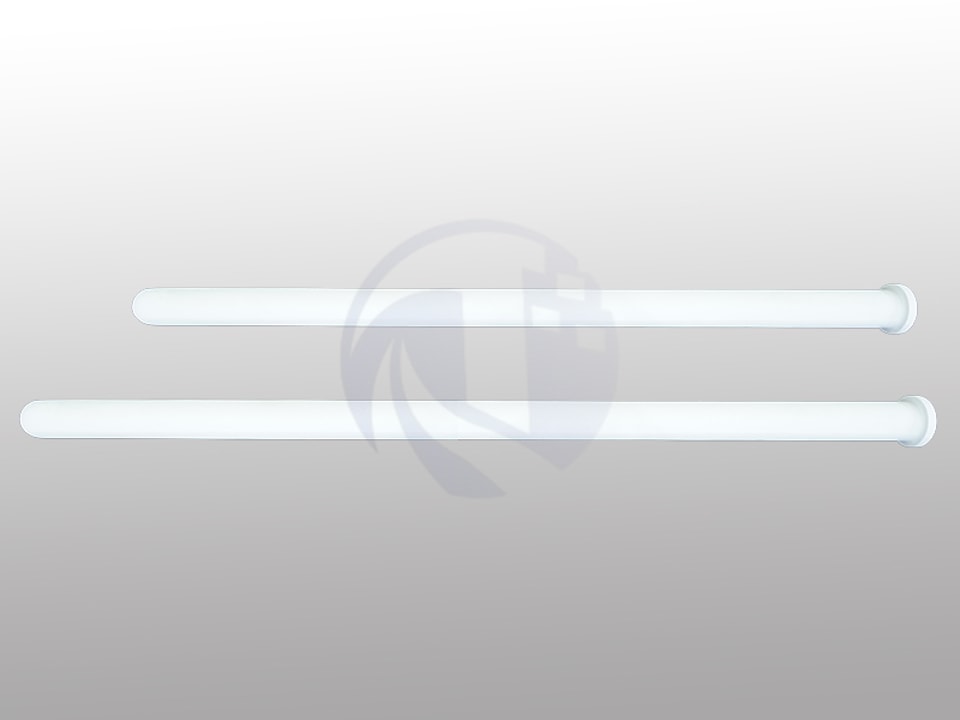
As porous ceramic products, the storage and transportation conditions of ceramic fiber catalytic filter tubes directly affect their service life and performance. Industry standards require that unused filter tubes must be stored in dry, well-ventilated, and cool indoor warehouses, protected from direct sunlight and rain, and strictly prohibited from outdoor storage. Storage environments should maintain relative humidity below 60% and temperatures within the range of 5–30°C, away from ignition sources, heat sources, and corrosive substances. Filter tubes must not be placed directly on the ground—wooden pallets or trays should be used for moisture protection—and stacking height should not exceed 1.5 meters to prevent deformation of the bottom tubes due to pressure. The handling process also requires particular care. Ceramic fiber filter tubes are fragile items and should be handled with care, avoiding dropping or impact. Long tubes require two-person coordination during handling to prevent bending and breakage. During transportation, reinforced corrugated cartons should be used for packaging, with cushioning materials filled inside to ensure no movement space for the tubes, and warning labels such as "Fragile," "Keep Dry," and "This Side Up" should be affixed to the outside of the cartons. For long-term storage, vacuum packaging combined with double-layer moisture-proof film protection is recommended, along with periodic opening inspections. Proper storage and handling management is the prerequisite for ensuring that filter tubes arrive at the site in optimal condition for use.
Dual Purification Mechanism: How Ceramic Fiber Catalytic Filter Tubes Achieve Integrated Dust Removal and Denitrification
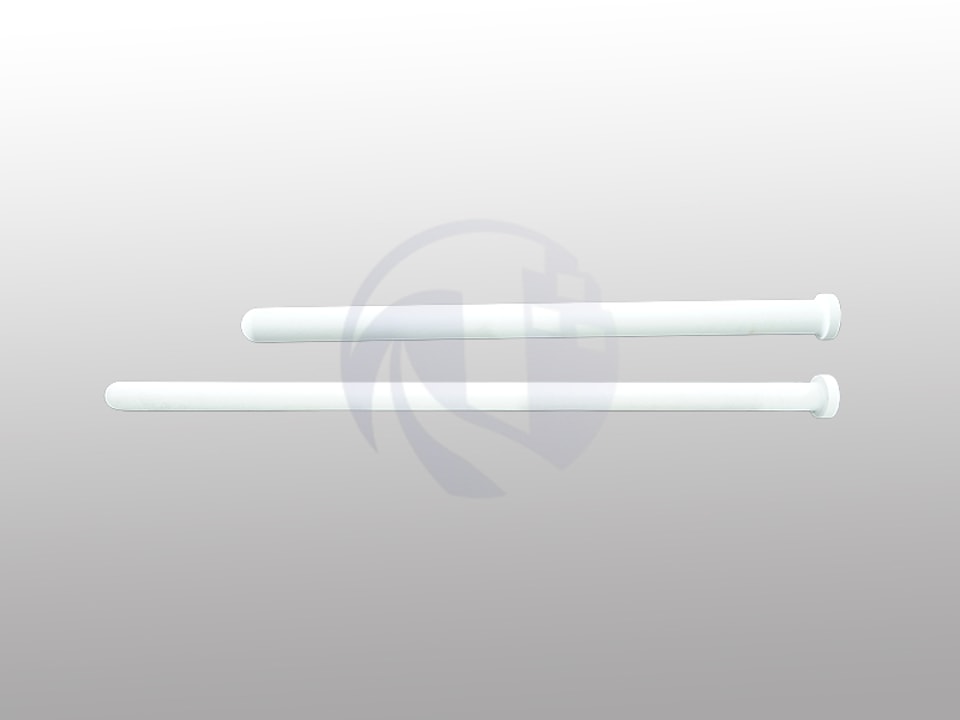
The working principle of ceramic fiber catalytic filter tubes is based on a dual purification mechanism of "physical filtration + catalytic reduction." As dusty flue gas enters the filter tube, particulate matter is intercepted and retained by the fiber layer on the tube surface, achieving high-efficiency dust removal. Simultaneously, the SCR denitration catalyst uniformly loaded on the inner wall and within the fiber pores undergoes selective catalytic reduction with the injected reducing agent (such as ammonia) within the appropriate temperature window, converting nitrogen oxides in the flue gas into harmless nitrogen and water. The core of this process lies in the deep integration of the catalyst with the filter substrate—the filter tube serves not only as a physical filtration medium but also as a carrier for catalytic reactions. As flue gas passes through the tube wall, both the interception and separation of particulate matter and the chemical conversion of nitrogen oxides are accomplished simultaneously, with the two purification actions proceeding in parallel without interference. Furthermore, by combining with dry desulfurization processes upstream, synergistic removal of sulfur oxides can also be achieved, forming a complete integrated purification chain of "dust removal–denitrification–desulfurization".
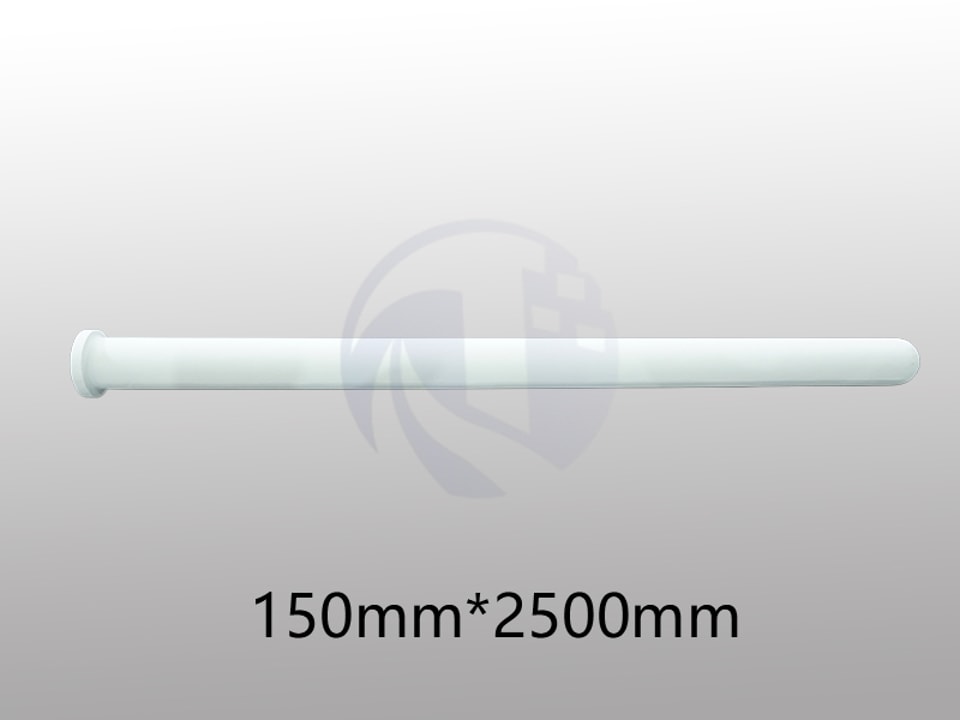
Ceramic Fiber Catalytic Filter Tube – A Next-Generation Core Component for Multi-Pollutant Synergistic Control in High-Temperature Flue Gas Treatment
With the ever-tightening emission standards for air pollutants, a ceramic fiber catalytic filter tube that integrates dust removal, denitrification, and desulfurization functions is emerging as a focal point in the industrial flue gas treatment sector. Manufactured from ceramic fiber substrates and enhanced through advanced catalyst loading technologies, the product deeply integrates filtration and catalytic functions to enable the synergistic and efficient removal of multiple pollutants including particulate matter, nitrogen oxides (NOx), sulfur oxides (SOx), and dioxins. The product features an asymmetric gradient pore structure design, maintaining high filtration precision while keeping operating resistance low. The fiber material exhibits excellent high-temperature resistance and corrosion resistance against acids and alkalis, ensuring stable long-term operation under harsh industrial flue gas conditions. Compared with traditional baghouse filters, ceramic fiber catalytic filter tubes offer significant advantages in temperature resistance, service life, and purification efficiency, and are widely applicable in high-pollution industries such as glass furnaces, coking, waste incineration, iron and steel sintering, and industrial boilers.