
Product Updates
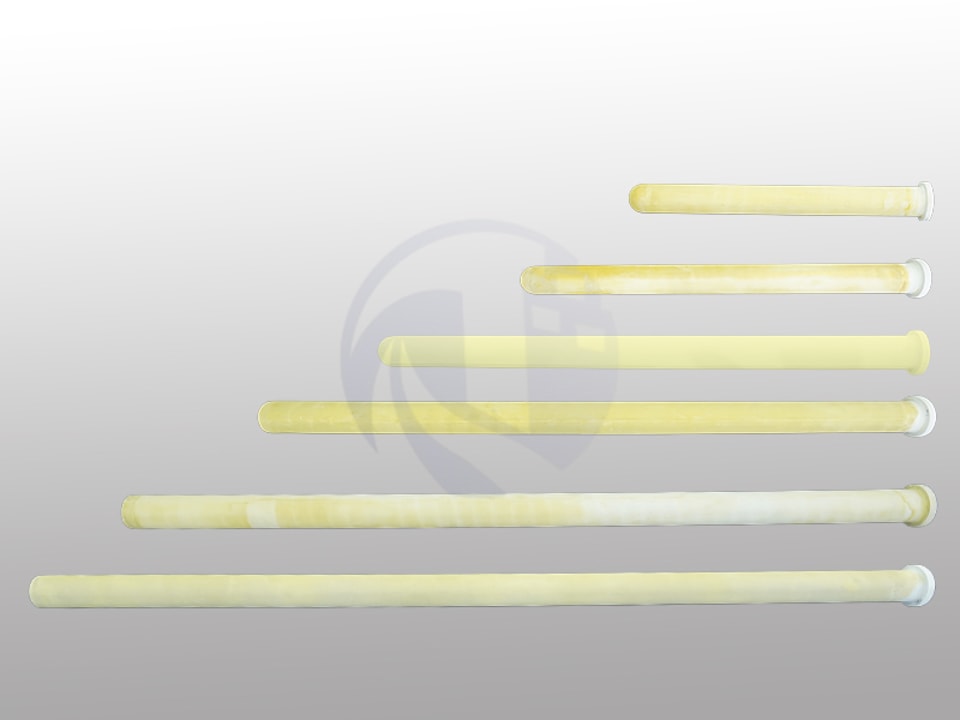
Full-Cycle Operation and Maintenance Strategy – Key Practices for Extending the Service Life of Ceramic Fiber Filter Tubes
The service life of ceramic fiber filter tubes in practical applications depends not only on product quality but also significantly on installation quality, operational regulation, and maintenance thoroughness. During the installation phase, precise positioning must be performed on the tube sheet flatness, sleeve verticality, and sealing gasket alignment within the dust collector casing, ensuring that each tube is vertically inserted and concentric with the tube sheet holes to prevent tilting or sealing gaps caused by installation deviations. After installation, a cold-state airtightness test should be conducted to check for any leakage at all connection points. During operation, operators should pay close attention to key indicators including system pressure drop, flue gas temperature, and cleaning parameters. It is advisable to set reasonable cleaning pressure and pulse intervals based on actual operating conditions, avoiding both overly frequent cleaning that may cause fatigue damage to the tubes and insufficient cleaning that leads to continuously rising resistance. Generally, when the pressure drop is maintained within a specified range, the system operates most economically and reliably. Temperature monitoring is equally important—although the tubes have high-temperature tolerance, extreme temperatures exceeding their safe upper limit can still cause structural damage to the fibers. Therefore, temperature warning devices and contingency plans should be in place. Routine maintenance planning should include visual inspections weekly, pressure drop data recording and analysis monthly, cleaning system functional verification quarterly, and comprehensive system shutdown inspections annually. During inspections, special attention should be given to cracks, abrasion, or perforations on the outer surface of the tubes, aging of seals, and smooth ash discharge from the hopper. Tubes with minor damage may be locally repaired, while those with severe damage require timely replacement. By establishing a scientific full-cycle operation and maintenance record system, the degradation trend of the filter tubes can be accurately assessed, and the optimal replacement timing can be predicted, thereby minimizing operating costs while ensuring emission compliance.
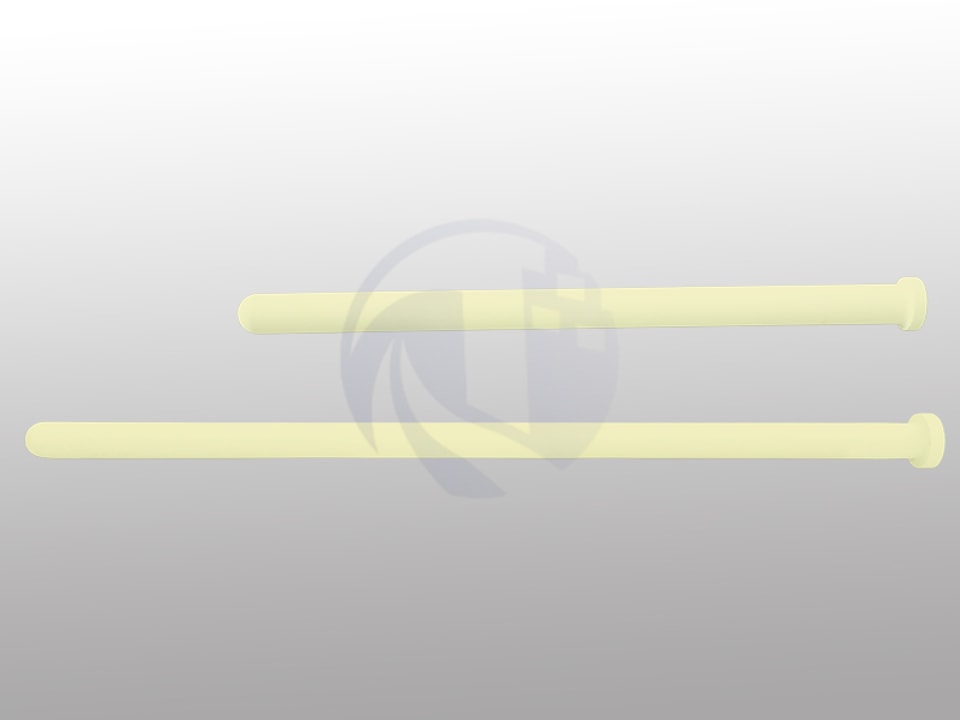
Process Breakthroughs in Gradient Porosity and High-Strength Skeleton – New Advances in Manufacturing Technology for Ceramic Fiber Filter Tubes
The manufacturing of ceramic fiber filter tubes is a systematic engineering endeavor involving fiber processing, forming control, and high-temperature sintering. The core technology lies in constructing a fiber skeleton with a gradient pore structure while ensuring sufficient mechanical strength and thermal shock resistance of the tubular body. At the initial stage, ceramic fibers of specified lengths—such as aluminum silicate fibers and mullite fibers—are mixed with organic binders, dispersants, and an appropriate amount of water to prepare a uniform slurry. Through a vacuum filtration forming process, the fibers in the slurry are directionally deposited using molds to produce tube blanks with defined wall thickness and diameter. During the forming process, by adjusting slurry concentration, filtration pressure, and mold configuration, a radial fiber packing density gradient can be achieved across the tube wall, resulting in an asymmetric structure with pore sizes gradually decreasing from the outer to the inner surface. After demolding, the tube blanks enter the drying stage, where slow drying under constant temperature and humidity conditions is employed to eliminate internal stresses and prevent cracking. The dried blanks are then subjected to high-temperature sintering under a specific heating schedule, during which neck formation and grain-boundary fusion occur between ceramic fibers, imparting sufficient strength and rigidity to the tubes. Post-sintering treatments include end-face machining and seal assembly, yielding finished products ready for direct installation. In recent years, through optimization of fiber formulations and sintering curves, the flexural strength, thermal shock resistance, and filtration precision of the tubes have been substantially enhanced. Furthermore, the adoption of environmentally friendly water-based binders has reduced volatile organic compound emissions during the manufacturing process, making the entire production chain more green and sustainable.
Synergistic Action of Deep Filtration and Surface Cleaning – Operational Mechanism of Ceramic Fiber Filter Tubes
The operational mechanism of ceramic fiber filter tubes is based on the synergistic effect of "deep-bed filtration" and "surface cake filtration." When dust-laden flue gas enters the filter tube, the gas stream is driven by differential pressure to permeate through the fiber layers of the tube wall, while dust particles are captured by the fibers through mechanisms including inertial impingement, interception, diffusion, and gravitational settling. The tube wall consists of multiple layers with different pore sizes—the outer coarse-fiber layer serves to intercept large particles and form an initial dust cake, while the inner fine-fiber layer is responsible for capturing fine dust, achieving high-precision filtration. This gradient structure design allows dust to be progressively captured across the thickness direction of the tube wall, simultaneously reducing operating resistance and extending the cleaning cycle. As the filtration process continues, a dust cake gradually builds up on the outer surface of the filter tube. This cake itself participates in the filtration, further enhancing the collection efficiency for submicron particles. When the cake thickness increases to the point that the system pressure drop reaches a preset value, the pulse backwashing system injects high-pressure gas into the tube, causing instantaneous expansion and vibration that dislodges the surface cake into the hopper, thereby regenerating the filter tube. After cleaning, the tube maintains its original filtration performance and can be reused repeatedly. This cyclic "filtration–cleaning–regeneration" mode ensures long-term stable system operation without the need for frequent shutdowns for maintenance.
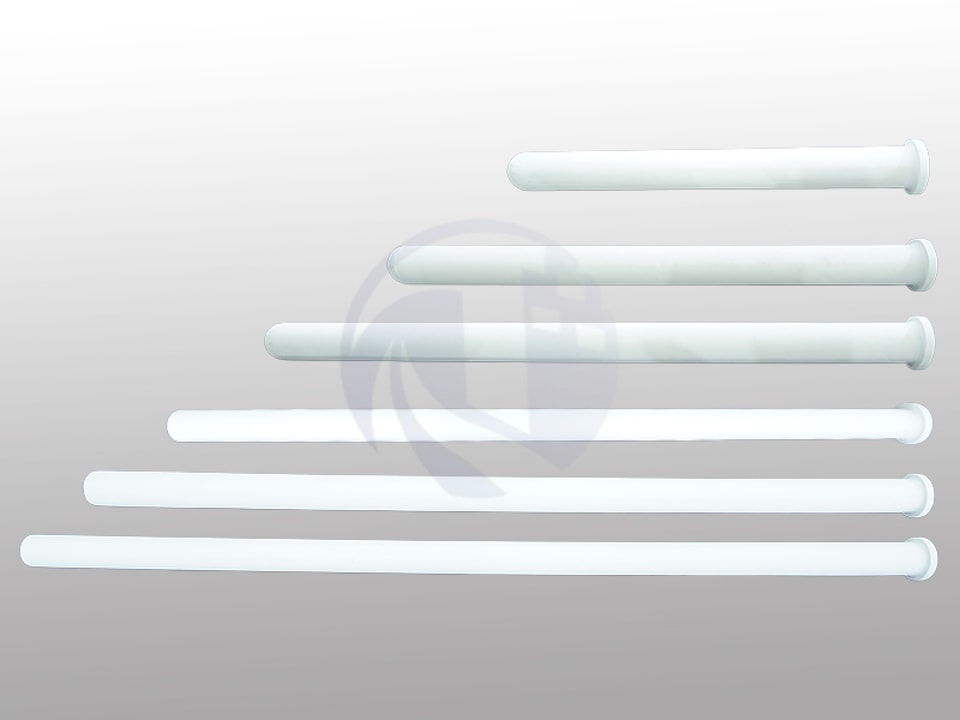
Full Lifecycle Management – Scientific Usage and Maintenance Strategies for Ceramic Fiber Catalytic Filter Tubes
Ceramic fiber catalytic filter tubes offer an extended service life under normal operating conditions, but their actual performance and longevity depend largely on scientific usage and maintenance management. Prior to installation, rigorous inspections should be conducted on critical aspects such as the levelness of the tube sheet and the uniformity of sleeve heights to ensure that installation conditions meet requirements. During installation, care should be taken to avoid impact between the filter tubes and tube sheet bolts; after installation, alignment of all components should be verified to prevent eccentric wear or leakage during operation. In terms of operation and maintenance, differentiated maintenance plans are recommended based on specific operating conditions. During daily operation, key parameters such as system temperature and pressure drop should be monitored to ensure they remain within design ranges. Periodic pulse backwashing and other methods should be employed to remove accumulated dust from the tube surface, maintaining low-resistance system operation. Inspection cycles are generally scheduled annually, focusing on filter tube damage, seal aging, and other conditions, with timely replacement of damaged components. It should be noted that the actual replacement cycle of filter tubes requires individualized assessment based on specific application scenarios—differences in flue gas composition, dust characteristics, and operating temperatures all affect the degradation rate of the filter tubes. Through scientific full-lifecycle management, the long-life advantage of ceramic fiber catalytic filter tubes can be fully realized, significantly reducing the overall operation and maintenance costs for end users.
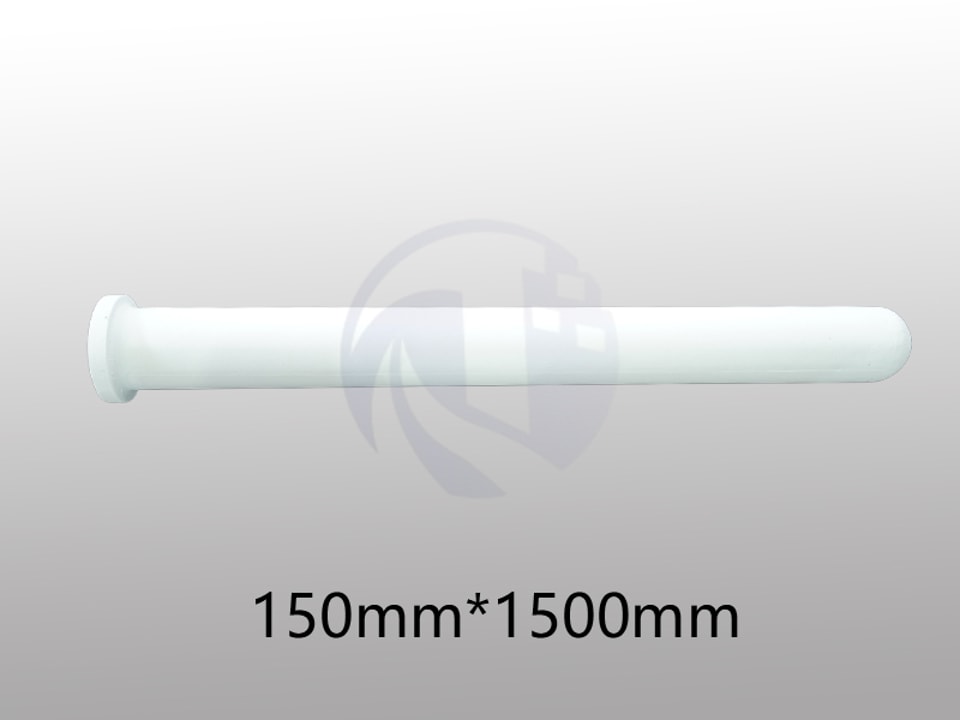
From Fibers to Functional Elements – Advanced Manufacturing Technologies for Ceramic Fiber Catalytic Filter Tubes
The manufacturing of ceramic fiber catalytic filter tubes integrates cutting-edge achievements from multiple disciplines including materials science, chemical engineering, and catalysis technology. The substrate is made from high-purity ceramic fibers (such as aluminum silicate fibers and alumina fibers) through processes of dispersion, forming, and sintering to produce porous tubular bodies with gradient pore structures. The forming process employs vacuum filtration and low-temperature sintering solidification technologies to precisely control pore size distribution and porosity, ensuring that the filter tube achieves both high filtration precision and low fluid resistance. Catalyst loading is the critical step in the manufacturing process. The core technological route consists of two major stages: catalyst slurry preparation and coating application—first, highly active and well-dispersed catalyst slurries are prepared through solvothermal liquid-phase reaction technologies; subsequently, processes such as impregnation, spraying, or internal coating are employed to uniformly load the catalyst onto the inner wall and within the fiber pores of the filter tube. After loading, dynamic drying and activation treatments firmly anchor the catalytically active components onto the fiber surface, forming a stable catalytic filtration functional layer. The complete manufacturing process achieves uniform catalyst distribution and efficient utilization, laying a solid foundation for the product's high-performance characteristics.